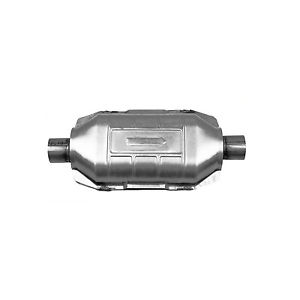
What is a Catalytic Converter?
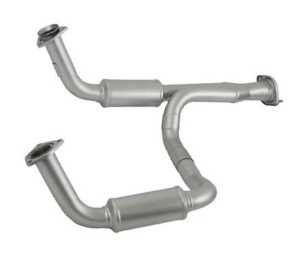
How Can a Catalytic Converter Fail?
1. Clogging
2. Overheating
3. Engine Misfires
4. Fuel Quality and Oil Contamination
5. Old Age
Have your catalytic converter tested at FMS Performance! Call 800-833-0945
How to Tell if Your Catalytic Converter is Failing
- Decreased Engine Performance: You may experience a noticeable decrease in acceleration, especially when trying to speed up. The car might feel sluggish or unresponsive.
- Check Engine Light: If your check engine light comes on, it’s often due to a failing catalytic converter, although it could be related to other issues as well.
- Poor Fuel Economy: A bad converter can cause your vehicle to consume more fuel than usual because the engine has to work harder to overcome the exhaust restriction.
- Rattling Noise: A damaged or failing catalytic converter might make a rattling noise, especially when the vehicle is idling or driving at low speeds.
- Sulfur Smell: If the converter is not working properly, it may start to produce a smell similar to rotten eggs, indicating a buildup of sulfur.
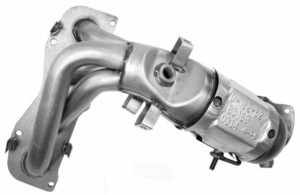
Can You Prevent Catalytic Converter Failure?
- Regular Maintenance: Make sure your vehicle is regularly serviced, including oil changes and addressing any engine problems like misfires or poor fuel mixture.
- Fix Engine Issues Promptly: Address issues like engine misfires, overheating, or fuel system problems quickly. A small issue can quickly escalate and damage the catalytic converter.
- Drive Responsibly: Avoid aggressive driving, as it can put extra stress on your engine and exhaust system.
- Use Quality Fuel: Always use high-quality fuel, and if you notice oil consumption problems, address them before they affect the catalytic converter.
Final Thoughts
Environmental Impact
Modern performance exhaust systems often come equipped with high-flow catalytic converters that reduce harmful emissions without compromising performance. These environmentally friendly components ensure that your vehicle meets regulatory standards while delivering optimal efficiency.
Looking for the right catalytic converter? Call today: 800-833-0945
Why Choose FMS Performance for Your Exhaust Upgrade?
At FMS Performance, we bring decades of expertise to help you select and install the perfect catalytic converter for your vehicle. Here’s why we’re the right choice:
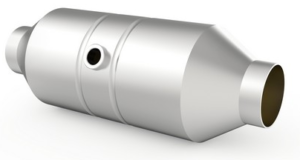
- Expertise You Can Trust: Our team specializes in both factory and aftermarket catalytic converters that are EPA and CA Approved to your specific needs. We stay up-to-date with the latest technologies to offer cutting-edge solutions.
- High-Quality Products: We work with top manufacturers to provide catalytic converters that deliver exceptional results. Every product we recommend is tested for durability and performance.
- Professional Installation: Our experienced technicians ensure a seamless installation process for optimal performance. We take care to preserve your vehicle’s integrity while enhancing its capabilities.
- California Compliance: We understand California’s strict emissions laws and only recommend systems that meet legal requirements. This ensures you can enjoy your upgrades without worrying about regulatory issues.
- Customer Support: At FMS Performance, our commitment to customer satisfaction goes beyond installation. We provide post-installation support to ensure your exhaust system performs as expected. From answering your questions to offering maintenance tips, we’re here to help.
Frequently Asked Questions
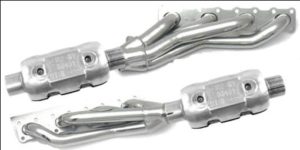
What is the Warranty on a Replacement CA Approved Catalytic Converter?
Federal EPA regulates a 2 year or 25,000 mile guarantee
California CARB regulates a 5 year or 50,000 mile guarantee
Factory replacement converters from the dealer have a warranty for 1 year or 12,000 miles. Most noteworthy is cars have a 8 year 80,000 mile warranty on the OE converter the vehicle came with. If your car is within the 8/80 certainly call your dealership with your VIN number so they may assist you with the warranty information.
Can I use a catalytic converter cleaner on my car?
Yes, we suggest Cataclean by Mr Gasket. Cataclean contains solvents that can break down deposits formed by oxidation and polymerization of hydrocarbon in fuel delivery systems. Cataclean also includes acetone which is known to improve the efficiency of fuel combustion. Acetone has been used in race cars to enhance octane rating and make fuel burn more evenly and completely. When Cataclean combusts, carboxylic acids, aldehydes and active peroxy compounds are formed. These compounds in the exhaust vapors work to clean the surfaces inside the converter. The result is the removal of deposits from the surface of the core, which increases the catalyst’s ability to remove harmful exhaust emissions such as, carbon monoxide & nitrogen oxides.
How long does the installation take?
The installation time varies depending on the type of system and vehicle. Typically, we complete installations within a few hours, ensuring minimal disruption to your schedule.
Ready to Transform Your Vehicle?
Upgrading to a performance exhaust system is one of the most effective ways to enhance your vehicle’s power, efficiency, and style. At FMS Performance, we’re dedicated to helping drivers across California achieve their automotive goals. From selecting the right system to professional installation, we’re with you every step of the way.
Contact us today or visit our shop to explore your options and take the first step toward repairing or replacing your catalytic converter. Let FMS Performance help you experience the difference that quality and expertise can make.