Daewoo Catalytic Converter
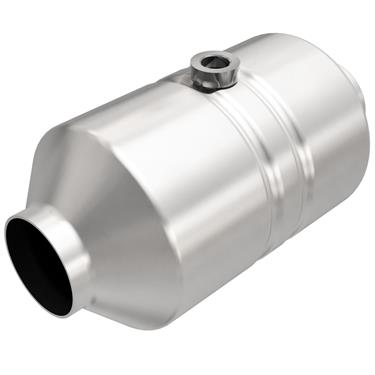
Universal
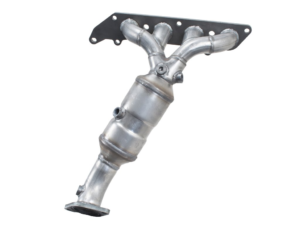
Exhaust manifold integrated
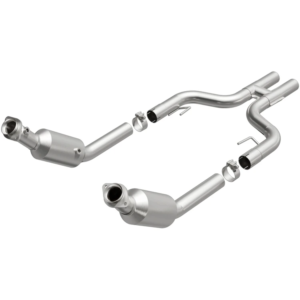
Direct Fit
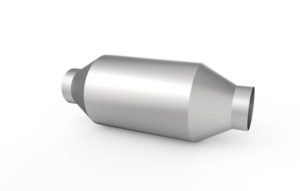
High Flow




- Description
- Additional information
- Frequently Asked Questions
- PROP 65 COMPLIANCE
- FEDERAL VS. CARB
- Helpful Videos
Description
Daewoo Catalytic Converter
My car has a PO420! Does that mean my converter is bad?
NO. The P0420 code, by definition reads “bank one Catalyst Efficiency low” as a result most people will just replace the converter. A vehicle displaying this code is indicating that something is causing the converter to operate out of specification. Furthermore, a diagnostic and certainly an inspection are required before condemning any parts as “bad” or defective.
While you still may need a catalytic converter. FMS can perform a Catalytic Converter Pre-Test. The inspection is free with the purchase of needed components to correct the issue. Please make an appointment to drop the vehicle off for the complete inspection.
Selecting the Right Daewoo Catalytic Converter
Where your vehicle is registered will determine what type of catalytic converter you’re legally permitted to purchase, install and use.
To learn more about government regulations around emission standards in California, Maine, New York or all other states (Federal). Please see the following external sources:
California emission standards
Maine emission standards
New York emission standards
Federal emission standards
For an in-depth review of how to confirm which catalytic converter you need if you live in California, Maine or New York. Please review the following information.
Why Choose FMS Performance for Your Catalytic Converter?
At FMS Performance, we bring decades of expertise to help you select and install the perfect muffler for your vehicle. Here’s why we’re the right choice:
- Expertise You Can Trust: Our team specializes in both factory and aftermarket catalytic converters to your specific needs. We stay up-to-date with the latest technologies to offer cutting-edge solutions.
- High-Quality Products: We work with top manufacturers to provide the converters that deliver exceptional results. Every product we recommend is tested for durability and performance.
- Professional Installation: Our experienced technicians ensure a seamless installation process for optimal performance. We take care to preserve your vehicle’s integrity while enhancing its capabilities.
- California Compliance: We understand California’s strict emissions laws and only recommend systems that meet legal requirements. This ensures you can enjoy your upgrades without worrying about regulatory issues.
- Customer Support: At FMS Performance, our commitment to customer satisfaction goes beyond installation. We provide post-installation support to ensure your exhaust system performs as expected. From answering your questions to offering maintenance tips, we’re here to help.
Additional information
| Make |
|---|
Frequently Asked Questions
HOW TO TELL BAD CATALYTIC CONVERTER SYMPTOMS
Very few car parts last for the entire life of a vehicle, but a catalytic converter attached to a properly running engine can last for years. As part of the vehicle’s exhaust system, the catalytic converter uses heavy metals to chemically react with exhaust gasses and reduce the number of harmful pollutants entering the atmosphere. When a catalytic converter isn’t working properly, you may not be able to register your vehicle for on-road use and its engine performance will be negatively affected.
What is the Warranty on a Replacement CA Approved Catalytic Converter?
Federal EPA regulates a 2 year or 25,000 mile guarantee
California CARB regulates a 5 year or 50,000 mile guarantee
Factory replacement converters from the dealer have a warranty for 1 year or 12,000 miles. Most noteworthy is cars have a 8 year 80,000 mile warranty on the OE converter the vehicle came with. If your car is within the 8/80 certainly call your dealership with your VIN number so they may assist you with the warranty information.
How can I determine my cars emissions certification levels?
All vehicles will come with a VECI (Vehicle Emission Control Information) label located in the engine compartment.
How do I know that the catalytic converter I purchase is (CARB) California Air Resource Board approved?
You can check with CARB on the approval for your car or truck by contacting the Helpline at 1-800-242-4450. You may also contact FMS for a quote or another opinion. Finally you may click this link to select your search https://ssl.arb.ca.gov/AftermarketParts/catalysts
Can I use a catalytic converter cleaner on my car?
Yes, we suggest Cataclean by Mr Gasket. Cataclean contains solvents that can break down deposits formed by oxidation and polymerization of hydrocarbon in fuel delivery systems. Cataclean also includes acetone which is known to improve the efficiency of fuel combustion. Acetone has been used in race cars to enhance octane rating and make fuel burn more evenly and completely. When Cataclean combusts, carboxylic acids, aldehydes and active peroxy compounds are formed. These compounds in the exhaust vapors work to clean the surfaces inside the converter. The result is the removal of deposits from the surface of the core, which increases the catalyst’s ability to remove harmful exhaust emissions such as, carbon monoxide & nitrogen oxides.
Can I use a Universal Catalytic Converter?
First of all universal CA Approved Catalytic Converter are designed to be installed by a professional installer because they typically require some welding. The Direct Fit catalytic converter is designed so you may unbolt the original and bolt back on the replacement. For that reason the Emission compliance of the converters will meet or exceed Fed or CARB standards.
What is a High Flow catalytic converter?
Most high flow catalytic converters flow higher than OE in flow capacity. The 400 CPI cell density of most high flow catalytic converters will out flow an OE for the same application while providing the necessary functionality.
PROP 65 COMPLIANCE
This product can expose you to chemicals including Chromium, Nickel, Carbon Black & Cobalt, which are known to the State of California to cause cancer, and (Antimony [Oxide], Arsenic, Beryllium. Chromium (hexavalent), Cobalt Cadmium, Lead, and Nickel which is known to the State of California to cause birth defects or other reproductive harm.
FEDERAL VS. CARB
FEDERAL VS. CARB
California car? California certified emissions vehicle? No matter how you say it, this phrase means different things to different people. For those of you in the repair field or looking to get the correct converter for your vehicle, it has come to define our world.
Making the distinction between the two is hardly new. The line was drawn back in the late 60’s, but its significance has grown over the last few years. On January 1, 2009, California (CA) adopted and put into place, new laws regarding the manufacture, sale and installation of aftermarket catalytic converters. Since then, New York (NY) and Maine (ME) have adopted those same laws.
Selecting the Right Converter
This article is not about the laws themselves, but rather one area of the law that seems to be the most confusing to those who may not fully understand the difference. That is the process of selecting the proper converter for an individual vehicle. Although the letter of the law in NY and ME is not exactly as it is in CA, the principle is the same. If an OBD II vehicle is built to meet CARB standards, then it requires a CA certified converter. For example, one significant difference is that NY will allow EPA (Federal) certified vehicles to use a non-CARB part whereas CA does not make that distinction.
The most important takeaway is to recognize that a vehicle meeting the stricter CA standards from the factory has a catalytic converter, as well as other emission components on it, that is designed to meet those tougher standards. Therefore it is important to maintain the integrity of the system. In order to do that, you have to know what emission standard the vehicle is designed to meet and what components make up that system.
So how does a technician, retail counter person or vehicle owner retrieve this information? It can be found on the Vehicle Emission Control Information (VECI) label located in the engine compartment. Typically it will be located on the strut tower, radiator support, or on the underside of the hood. This label contains information about the emissions systems and components of that specific vehicle along with a statement referring to the standards to which that vehicle conforms. Refer to this information to help choose the proper catalytic converter for the vehicle.