
 In the heart of San Bernardino, CA, where the hum of engines and the demands of daily driving are constant, understanding the intricacies of your vehicle is crucial. One component that often goes overlooked until it malfunctions is the catalytic converter. At FMS Performance, we believe in empowering our community with knowledge. So, let’s dive into what a catalytic converter does, why it matters, and why it might fail.
What Does a Catalytic Converter Do?
At its core, what does a catalytic converter do? It’s a vital part of your car’s exhaust system, designed to reduce harmful emissions. Specifically, it converts pollutants like carbon monoxide (CO), hydrocarbons (HC), and nitrogen oxides (NOx) into less harmful substances: carbon dioxide (CO2), water (H2O), and nitrogen (N2). Think of it as your car’s personal air purifier, ensuring cleaner exhaust and a healthier environment.
Inside the catalytic converter, precious metals like platinum, palladium, and rhodium act as catalysts, facilitating chemical reactions that neutralize these pollutants. This process is essential for meeting emission standards and keeping our air clean.
What Causes a Catalytic Converter to Go Bad?
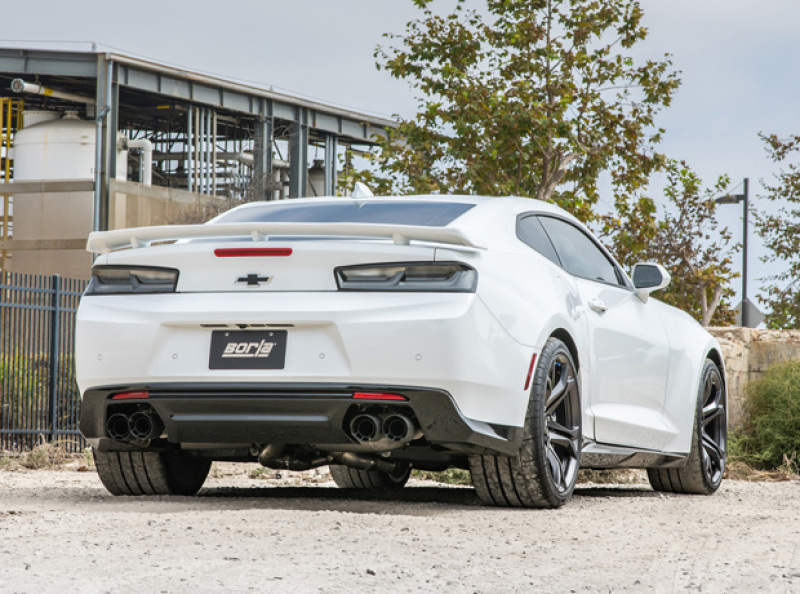
Understanding what a catalytic converter does is only half the battle. Knowing why it fails is equally important. Several factors can contribute to a catalytic converter’s demise:
1. Contamination:
- Oil and Coolant Leaks: Leaks from your engine can introduce oil or coolant into the exhaust system. These substances can coat the catalyst, preventing it from functioning correctly.
- Excessive Fuel: If your engine is running rich (too much fuel), unburned fuel can enter the catalytic converter, causing it to overheat and melt the catalyst.
2. Physical Damage:
- Impacts: Road debris or accidents can physically damage the converter, cracking or breaking the internal honeycomb structure.
- Corrosion: Rust and corrosion can deteriorate the converter over time, especially in areas with high humidity or road salt.
3. Age and Wear:
- Like any component, catalytic converters wear out. The catalyst materials can become less effective over time, reducing their ability to convert pollutants.
4. Engine Problems:
- Misfires, faulty oxygen sensors, or other engine issues can lead to improper combustion, increasing the load on the catalytic converter and causing premature failure.
How Can You Tell if Your Catalytic Converter is Bad?
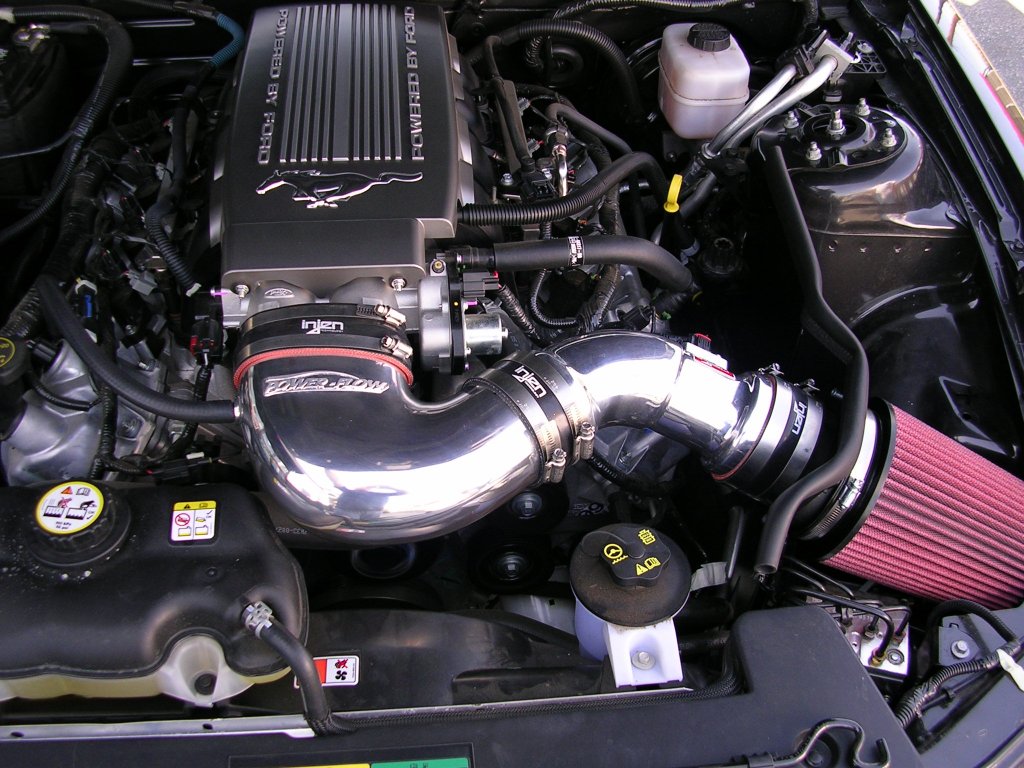 Recognizing the signs of a failing catalytic converter can save you from costly repairs. Here are some common symptoms:
- Reduced Engine Performance: You might notice a decrease in acceleration or power.
- Check Engine Light: The most common indicator is the “check engine” light illuminating on your dashboard.
- Rattling Noises: A damaged honeycomb structure inside the converter can create rattling sounds.
- Poor Fuel Efficiency: Inefficient conversion can lead to increased fuel consumption.
- Sulfur or Rotten Egg Smell: This indicates that the converter is not properly converting sulfur compounds in the fuel.
- Failed Emissions Test: If your car fails an emissions test, a faulty catalytic converter is a likely culprit.
- Overheating: the undercarriage of the vehicle may feel excessively hot.
Can You Drive a Car with a Bad Catalytic Converter?
While technically you can drive a car with a bad catalytic converter, it’s strongly discouraged. Here’s why:
- Environmental Impact: Driving with a faulty converter increases harmful emissions, contributing to air pollution.
- Engine Damage: A clogged converter can create backpressure, potentially damaging your engine.
- Safety Risk: Overheating can pose a fire hazard.
- Legal Issues: Driving with a faulty catalytic converter may violate emission regulations.
It’s best to address the issue promptly to avoid further complications.
Frequently Asked Questions
 Q: How long do catalytic converters last?
A: Typically, a catalytic converter can last for 100,000 miles or more, but this can vary depending on maintenance and driving conditions.
Q: Can a catalytic converter be cleaned?
A: While some DIY methods exist, professional cleaning is often more effective. However, if the catalyst is damaged or worn out, replacement is necessary.
Q: How much does it cost to replace a catalytic converter?
A: The cost can vary significantly depending on the make and model of your vehicle, as well as the type of converter needed. Expect to pay anywhere from a few hundred to several thousand dollars.
Q: Can a stolen catalytic converter be replaced?
A: Yes, FMS Performance can replace a stolen catalytic converter. Insurance may also cover the replacement cost.
Why is FMS Performance the Best in This Industry?
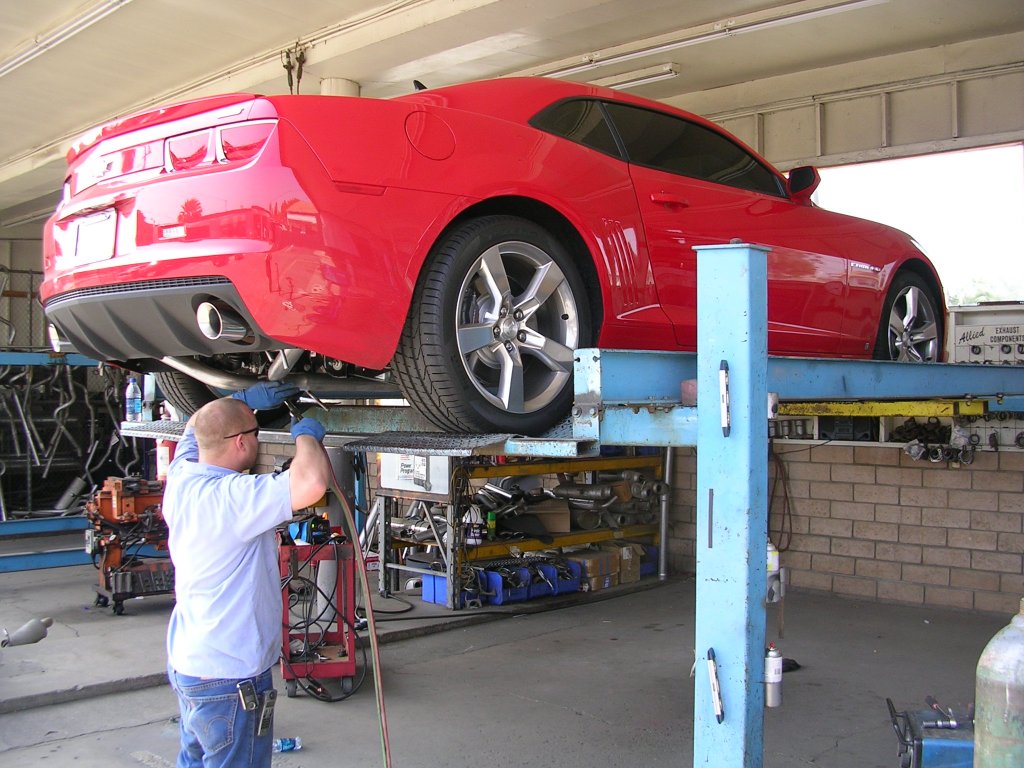 At FMS Performance in San Bernardino, CA, we understand the importance of a properly functioning catalytic converter. Here’s why we stand out:
- Expert Technicians: Our team has extensive experience diagnosing and repairing catalytic converter issues.
- Quality Parts: We use high-quality replacement parts to ensure optimal performance and longevity.
- Comprehensive Service: From diagnostics to repairs, we provide a full range of services to address your vehicle’s needs.
- Customer-Centric Approach: We prioritize customer satisfaction, offering transparent communication and reliable service.
- Local Expertise: Serving San Bernardino, we understand the unique driving conditions and environmental regulations of our area.
- Advanced Diagnostics: We use the latest diagnostic tools to accurately pinpoint issues, saving you time and money.
- Honest and Fair Pricing: We provide clear estimates and competitive pricing, ensuring you get the best value.
If you’re experiencing issues with your catalytic converter or have any concerns about your vehicle’s emissions, don’t hesitate to contact FMS Performance in San Bernardino, CA. We’re here to help you keep your car running smoothly and our air clean.
Fuel the conversation! Share this article and let’s hear what others think. Here’s the shareable link: [https://fmsperformance.com/what-does-a-catalytic-converter-do-and-why-does-it-go-bad/]